Exploring the Systems Behind Fenbendazole and Its Impact on Pet Health And Wellness
Fenbendazole is an extensively made use of anthelmintic known for its performance against various bloodsuckers. Its key system involves the restraint of microtubule formation, which disrupts crucial processes in these pathogens. Beyond its antiparasitic homes, fenbendazole also appears to improve immune reactions and possesses anti-inflammatory benefits. Comprehending these diverse results might expose brand-new applications for animal wellness. Concerns continue to be concerning its full capacity and safety and security account.
The Pharmacokinetics of Fenbendazole
The pharmacokinetics of fenbendazole, an extensively used anthelmintic in veterinary medication, includes the study of its absorption, circulation, metabolic rate, and excretion within pet systems. After administration, fenbendazole is quickly taken in from the stomach tract, with peak plasma focus happening within hours. Its distribution is influenced by variables such as cells binding and lipid solubility, permitting it to permeate various cells successfully. The drug undergoes considerable metabolism primarily in the liver, where it is converted right into active and non-active metabolites. These metabolites contribute in the medicine's general efficiency and safety and security account. Excretion takes place largely through feces, with a smaller percentage removed via pee. The half-life of fenbendazole varies amongst types, which affects application routines. Recognizing these pharmacokinetic homes is crucial for optimizing its healing usage and guaranteeing efficient parasite control in veterinary practices.
Devices of Action Versus Bloodsuckers
Fenbendazole exerts its antiparasitic results largely with the inhibition of microtubule development in parasites. This interruption impacts their structural honesty and cellular functions, resulting in damaged basal metabolism. Therefore, the drug properly endangers the survival and reproduction of different parasitic microorganisms.
Restraint of Microtubule Formation
Restraint of microtubule development stands for an essential mechanism whereby particular anthelmintic agents, consisting of fenbendazole, exert their results on parasites. Fenbendazole binds to tubulin, a healthy protein that creates microtubules, interrupting the polymerization procedure necessary for microtubule setting up. This disruption harms necessary mobile functions, including mitosis, intracellular transport, and structural stability. As microtubules play a critical function in maintaining the form and feature of parasitical cells, their restraint brings about cell cycle arrest and ultimate death of the parasite. This device is particularly reliable against nematodes, as their reliance on microtubules for wheelchair and nutrient absorption makes them at risk to fenbendazole. The restraint of microtubule formation is a crucial facet of fenbendazole's restorative effectiveness in veterinary medicine.
Disruption of Energy Metabolism
Interfering with energy metabolism is an additional important mechanism by which fenbendazole targets parasitical microorganisms. This anthelmintic alters the energy manufacturing paths within bloodsuckers, mostly affecting their capacity to create adenosine triphosphate (ATP) By preventing glucose uptake and interrupting mitochondrial feature, fenbendazole limits the energy resources important for the survival and recreation of these organisms. As a result, parasites come to be progressively susceptible to environmental stresses and immune reactions. Furthermore, the disturbance in basal metabolism not just affects the parasites directly but additionally minimizes their ability to take in nutrients, even more impairing their growth. Overall, the disruption of energy metabolic process represents a fundamental aspect of fenbendazole's efficacy versus different parasitical infections, contributing significantly to improved pet health and wellness end results
Prospective Side Effects and Safety Account
The potential adverse effects and security profile of fenbendazole warrant cautious consideration, particularly in vet applications. While normally considered as risk-free, some pets may experience unfavorable reactions, including stomach disruptions such as throwing up and looseness of the bowels. Furthermore, neurological symptoms, although unusual, have been reported in sensitive individuals, highlighting the demand for tracking during therapy.

Fenbendazole's safety and security in numerous species, consisting of canines and felines, has actually been recorded, however dose and duration of treatment should be carefully handled to minimize risks. Expectant or lactating pets may additionally call for unique attention, as the effects on establishing unborn children or nursing spawn are not fully comprehended.
Routine vet examinations can aid alleviate possible adverse effects and guarantee the medicine is administered suitably. As a result, while fenbendazole is a reliable anthelmintic representative, alertness concerning its adverse effects is vital for maintaining pet health and wellness.
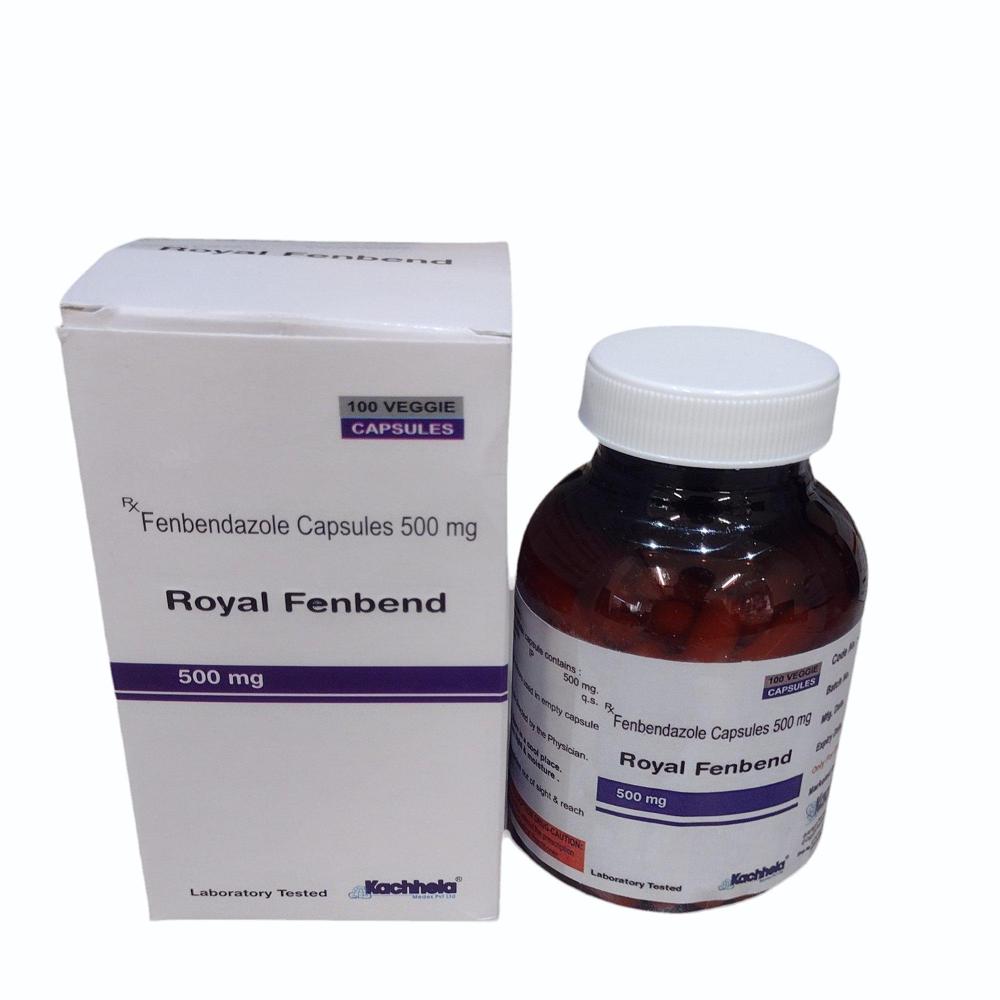
Fenbendazole's Influence on Immune Function
Fenbendazole has actually been noted for its prospective to regulate immune system feedbacks in animals. Its anti-inflammatory properties may contribute to enhanced immune feature, providing a double benefit in taking care of health and wellness (222 mg). Comprehending these effects is essential for reviewing fenbendazole's role in veterinary medication
Body Immune System Modulation

Anti-inflammatory Properties
Anti-inflammatory effects represent a significant aspect of fenbendazole's influence on immune feature. Research suggests that fenbendazole might reduce the manufacturing of pro-inflammatory cytokines, which are pivotal in mediating inflammatory feedbacks. By regulating these cytokines, fenbendazole can possibly minimize inflammation-related problems in pets. This anti-inflammatory action not only aids in managing signs connected with various diseases but likewise boosts overall immune system effectiveness. In addition, its ability to promote a balanced immune action aids avoid too much inflammatory damages, which can cause persistent health concerns. Subsequently, fenbendazole's role in swelling management underscores its relevance in vet medication, giving a double advantage of antiparasitic action and body immune system assistance for pet health.
Applications Beyond Traditional Parasitic Infections
While largely recognized for its performance against various parasitic infections, fenbendazole has actually amassed focus for possible applications yet standard scope. Current research studies recommend that fenbendazole might have beneficial impacts on mobile wellness and immune feedback, making it an intriguing candidate for managing various other wellness problems in pets. Its reported anti-inflammatory properties might provide alleviation for pets suffering from persistent inflammatory illness. In addition, some study suggests that fenbendazole could play a function in supporting the general health of pets by improving vitamins and mineral absorption and intestinal health and wellness. Its prospective as a complement treatment in cancer therapy has actually stimulated interest, as initial searchings for recommend it could prevent tumor cell development in certain contexts. These varied applications highlight fenbendazole's flexibility, motivating further exploration into its complex benefits for animal wellness past its standard use as a deworming representative.
Future Study Instructions and Effects for Animal Health
The exploration of fenbendazole's possible applications has actually opened up new opportunities for research study targeted at improving animal health. Future researches could concentrate on its performance against a wider series of virus, including bacteria and infections, consequently broadening its function in veterinary medication. The implications of fenbendazole's mechanisms, such as its effect on immune modulation, warrant better examination to comprehend just how it can strengthen total wellness in various varieties.
Additionally, research might explore perfect dosages and solutions to make best use of efficiency while minimizing possible negative effects. Examining fenbendazole's collaborating effects with various other drugs can bring about a lot more efficient treatment methods. Longitudinal studies assessing long-lasting end results in animals treated with fenbendazole could provide valuable insights into its safety and security and performance. Overall, the continued expedition of fenbendazole offers appealing potential to enhance animal health and wellness, demanding a collective strategy amongst researchers, vets, and pharmaceutical developers to help with developments around.
Regularly Asked Questions
Can Fenbendazole Be Used in Animals for Bloodsucker Prevention?
The concern of whether fenbendazole can be utilized in animals for bloodsucker avoidance matters, as manufacturers seek efficient treatments (222 mg). Research shows it might supply advantages, yet proper standards and vet recommendations are fenbendazole capsules crucial for risk-free use
What Is the Suggested Dose of Fenbendazole for Various Pets?

Exist Any Type Of Understood Medicine Interactions With Fenbendazole?
Present knowledge suggests that fenbendazole may communicate with particular drugs, possibly influencing their effectiveness or metabolism. Veterinary experts advise speaking with a veterinarian to evaluate private pet instances and identify any type of feasible communications before management.
Exactly How Does Fenbendazole Compare to Other Antiparasitic Medicines?
Fenbendazole is typically compared to other antiparasitic drugs based on effectiveness, spectrum of task, and safety accounts. It is favored for its efficiency versus a vast array of parasites while usually exhibiting minimal negative effects in pets.
Is Fenbendazole Effective Versus Viral or Bacterial Infections in Pets?
The effectiveness of fenbendazole versus viral or bacterial infections in pets stays unverified. Study largely concentrates on its antiparasitic homes, with restricted evidence supporting any kind of duty in dealing with non-parasitic infections in veterinary medicine.